Look conflict is no t fun, it’s not pleasant and quiet frankly it becomes frustrating and irritating. However, conflict is inevitable and it’s actually crucial for success. Without conflict, one continues on a path of mediocre performance. However, if we address the conflict, the clash of ideas, positions and personal preferences can become fuel for change, innovative thinking and thought provoking new ideas. Unresolved conflict will destroy personal relationships and create a division within an organization or team.
John C. Maxwell said; “People naturally see themselves in the light of their intentions, but they measure others according to their actions.” Man that was me. I use to avoid conflict all cost. Well that’s probably not entirely true. I think it would be more accurate to say, that I use to instigate conflict when I could.
Most leaders don’t respond well to conflict. In fact, I believe most leaders will avoid it and choose the easiest, rather than the most effective way to handle it. In John Maxwell’s Guide to Managing Conflict”, he listed six typical responses to conflict. I found these to be right on, so I want to share them with you. How many have you used? Personally, I used all six at some time in my personal life or professional career.
- Win at all costs. It’s like a shootout at the OK Corral. It’s quick, brutal, and destructive.
- Pretend it doesn’t exist. Even if they hear no evil, see no evil, and speak no evil, evil will still exist. It will simply grow unsupervised.
- Whine about it. Playing the victim doesn’t cure conflict. It just irritates everybody on the team.
- Keep score. People who keep a record of wrongs can never start fresh. And nobody can ever truly get “even.”
- Pull rank. Using position never really solves conflict. It merely postpones it.
- White flag it. Quitting is a permanent solution to a temporary problem.
But, how can we address conflict and avoid these failed responses? First, I think you have to truly care about the conflict, reason for the conflict and the person you have a conflict with. Second, we need to fully understand and comprehend the facts surrounding the reason for conflict. Once we show we care, indicate we fully understand the facts surrounding the situation and we are prepared to approach a resolution from a humble perspective, then I believe you can effective solve the conflict. How? By fully implementing and following the 6 principles listed below. Again, these were taken from John’s “Guide to Managing Conflict”;
- Confront a person only if you care about that person. It is more productive to go into a confrontation keeping the other person’s interests in mind.
- Meet together as soon as possible. When conflict arises, human nature is inclined to avoid it and procrastinate regarding resolution. The reality is, that by putting off confrontation, the situation can only deteriorate further. Get together face-to-face.
- First seek understanding, not necessarily agreement. The person who gives an opinion before he or she understands is human, but the person who gives a judgment before he or she understands is a fool. The truth is, you cannot reach understanding if your focus is on yourself.
- Outline the issue. Be positive, describe your perceptions, state how this situation makes you feel, and explain why this is important to you. Engaging in this process without emotional heat or bitterness is essential.
- Encourage a response. Try to build a dialogue – be sure to let the other person talk while you actively listen. Maxwell talks about the following observations when confronting people:
- 50% of the time people don’t realize there’s a problem.
- 30% of the time they realize there’s a problem, but they don’t know how to solve it.
- 20% of the time they recognize the problem and don’t want to fix it.
- A solution can be had 80% of the time merely by engaging and seeking a response.
- Agree to an action plan. Be sure the plan clearly identifies the issue and spells out concrete steps that will be taken. The action plan should include a commitment by both parties to put the issue to rest once resolved.
Learn to identify the potential conflict and make adjustments in your approach, thinking  and desires. However, if conflict occurs, then it must be addressed. Following the 6 principles above will help ensure the conflict is fully, effectively and completely resolved. Dealing with conflict won’t hurt relationships, in fact it strengthens the bond between people and teams.
John C. Maxwell said, “Successful confrontation usually changes both people, not just one.” I agree. Every conflict that I have effectively solved has made me a better leader. I encourage you to resolve conflict quickly. Don’t let it build!



 I recently published a blog titled, “8 Personal Habits That Will Ensure A Good First Impression.” Number 8 on that list was “Initiate Relevant Small Talk”. I discuss the need for relevant small talk and how it can create a connection and lead to building a relationship. Effective small talk can provide clues in providing a deeper understanding of that person.

 Stand confidently with your back erect and your shoulders square. Hands to your side and feet spread just inside both shoulders. This is known as the Presidential Stance. Greet each person with a firm (not hard) hand shake and make eye contact. Be aware of your nervous habits and move slowly, smoothly and confidently. All of this will help you project confidence and encourage both of you to feel at ease.
 s. This was especially significant as I currently serve as President of the Oklahoma City Chapter. My goal was to encourage and motivate to do more than simply meet member expectations.

 care what you did or where you went. It is about those you lead. When every conversation and situation is about you, it limits the interaction and contribution of others. I’ve had many leaders more concerned about how situations affect them, than the one(s) involved or affected.
 How is the company performing?, Will there be raises or bonuses this year? As I coach leaders, I encourage them to have weekly or monthly communication meetings. This is a time where all they do is communicate key information and allow employees an opportunity to ask questions.
 the answer. Cynical leaders say; “No, that’s not going to work” or, “I don’t know why we are doing this; this is stupid.” Look, if something is stupid, then the leader needs to fix it. If something is not worth doing or is going to create major problems, it’s your responsibility to facilitate other ideas. Regardless, you must thank and encourage those who offer ideas and opinions, not BELITTLE them!
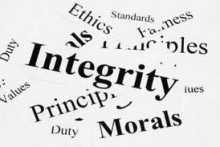 respect, you can’t influence. If you can’t influence, you can’t lead. In addition, when a leader lacks integrity, he gives employees permission to do the same. I’ve seen leaders compromise their integrity and moral values to be validated by others. I have personally seen this take place and the destruction it causes. A true leader will never comprise their moral integrity for validations.


 EXPECTATIONS!

 will check my voice and email mails and respond to those that require my attention. Social media and conversations are reserved for breaks and lunches. Now understand, situations change and there are always exceptions to the rule.
 communication. Throughout my career, I have come to realize that influential people and those who have great interactive skills are able to recognize the situation and adjust their approach quickly to enable the most effective outcome.
 ile trying to communicate. If we can maximize the use of these three components in a conversation then we can become very effective communicators resulting in a positive interaction and greater ability to influence.
 LEADER INFLUENCE